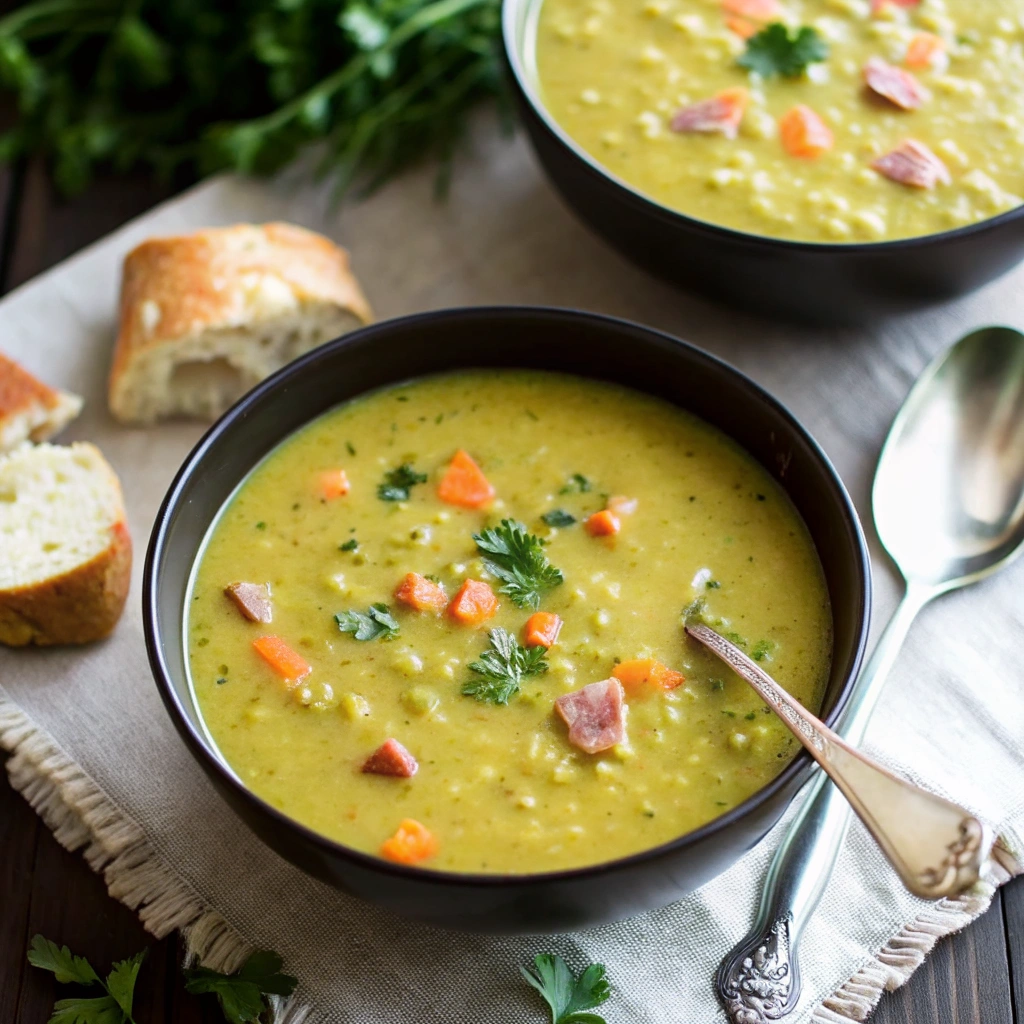
Classic Split Pea Soup with Ham: The Ultimate Comfort in a Bowl
There are some dishes that transcend mere sustenance, becoming a warm hug on a chilly day, a nostalgic trip down memory lane, and a testament to the power of simple, wholesome ingredients. Classic split pea soup with ham is unequivocally one of them. This isn't just any soup; it’s *the* classic recipe – rich, hearty, and deeply satisfying, brimming with tender split peas, aromatic vegetables, and succulent chunks of ham. It's the kind of meal that makes you slow down, savor each spoonful, and remember why some traditions are worth keeping alive. Best of all, it’s remarkably easy to bring this comforting masterpiece to your own kitchen, turning everyday ingredients into an extraordinary experience.Why Classic Split Pea Soup Steals the Show
If you've ever wondered why so many cherish a bowl of split pea soup, the reasons are as comforting as the soup itself. This isn't just about feeding your body; it's about nourishing your soul.A Hug in a Bowl: Unmatched Comfort and Coziness
Imagine coming in from the cold, the aroma of simmering peas and smoky ham wafting through your home. That's the magic of classic split pea soup. Its thick, hearty texture and nutrient-packed goodness make it the quintessential cold-weather meal. It’s the kind of soup that wraps around you, providing a sense of warmth and security that few other dishes can rival. For many, it evokes treasured memories of family kitchens and meals prepared with love, a true taste of home.
Depth of Flavor: The Ham Bone Secret
While the humble split pea forms the backbone of this soup, it's the ham that truly elevates it, infusing every spoonful with an unparalleled depth of flavor. Using a meaty ham bone, especially one leftover from a holiday feast like Easter, Thanksgiving, or Christmas, is the traditional secret weapon. As it slowly simmers, the bone releases its savory essence, creating a rich, smoky broth that permeates the peas and vegetables. This slow-cooked infusion is what transforms simple ingredients into an incredibly complex and satisfying dish.
Budget-Friendly Brilliance and Waste Reduction
Beyond its incredible taste and comforting embrace, classic split pea soup is also a testament to culinary ingenuity and smart budgeting. Dried split peas are an incredibly inexpensive ingredient, offering fantastic nutritional value without breaking the bank. Furthermore, by utilizing a leftover ham bone – an often discarded component – you're not only extracting every last drop of flavor but also actively reducing food waste. It’s a win-win situation, transforming what might have been thrown away into the star ingredient of a delicious, economical meal. This makes it an ideal choice for savvy home cooks looking for satisfying and budget-friendly meals.
Understanding Your Essential Ingredients
Crafting the perfect classic split pea soup begins with understanding your ingredients. While simple, each component plays a vital role in achieving that rich, authentic flavor.The Star: Split Peas – Not Your Average Green Peas
First and foremost, let’s clarify a common misconception: split peas are not the same as fresh green peas. Fresh green peas are harvested when young and tender, typically eaten as a vegetable. Split peas, on the other hand, are dried, hulled, and mechanically split in half. This processing allows them to cook down beautifully, creating that creamy, thick texture characteristic of the soup. You'll find both green and yellow split peas; green tend to be a bit sweeter, while yellow offer a slightly earthier flavor. Either works wonderfully in this recipe, but always ensure you're grabbing a bag of *dried split peas*.
The Flavor Infuser: Ham and Its Versatility
The ham is undeniably the heart of this soup's flavor profile. Traditionally, a leftover meaty ham bone is simmered with the peas, lending its rich, smoky essence and providing tender chunks of meat. However, if you don't have a holiday ham bone on hand, don't despair! There are excellent alternatives to ensure your soup is still packed with robust pork flavor:
- Ham Bone: If a leftover bone isn't available, many butchers or specialty stores (like Honey Baked Ham) sell them, often with plenty of meat still attached. Be sure to ask for one with generous meat!
- Ham Hock: Also known as a pork knuckle, a ham hock is a fantastic way to impart that deep, smoky pork flavor into your soup as it simmers. While it won't yield much meat for chunky pieces, you can easily combine it with diced ham steaks for added texture.
- Ham Steak or Diced Ham: For a quick and easy option, pre-packaged ham steaks or diced ham can be added towards the end of cooking. While this method won't offer the same profound depth as a bone-in simmer, it still provides delicious savory notes and satisfying ham pieces.
For a deeper dive into choosing the right ham component for your split pea soup, explore our comprehensive guide: Split Pea Soup: Ham Bone & Alternative Options Explained.
The Aromatic Foundation: Fresh Vegetables
A simple yet powerful trio forms the aromatic base: onions, carrots, and celery – the classic mirepoix. These vegetables are sautéed at the beginning to soften and release their natural sweetness, building layers of flavor before the peas and liquid are even added. The key here is to dice them roughly the same size to ensure even cooking and a pleasing texture throughout the soup.
Herbs and Aromatics: The Finishing Touch
A few essential herbs and aromatics bring everything together. Dried thyme provides an earthy, slightly minty note that complements pork beautifully, while a bay leaf adds a subtle, herbaceous depth. Of course, a good amount of salt and freshly cracked black pepper are crucial for seasoning and enhancing all the other flavors.
The Liquid Base: Broth and Water
A combination of chicken broth and water forms the liquid base. Using part broth adds another layer of savory flavor without making the soup overly salty, while the water allows the ham bone's essence to truly shine.
Crafting Your Classic Split Pea Soup: A Step-by-Step Guide
Making classic split pea soup is a rewarding process that largely involves patient simmering. Here's a general outline of the steps and some tips to ensure a perfect bowl every time:The Preparation: Building Layers of Flavor
- Sauté Aromatics: Begin by heating a touch of olive oil in a large, heavy-bottomed pot or Dutch oven. Add your diced onions, carrots, and celery. Sauté them gently until they're softened and fragrant, about 5-7 minutes. This step is crucial for developing the foundational flavors.
- Add Peas, Ham, and Liquid: Rinse your dried split peas thoroughly under cold water. Add them to the pot along with the ham bone (or hock), dried thyme, and bay leaf. Pour in the chicken broth and water. Ensure everything is submerged.
The Simmer: Patience is Key
- Bring to a Boil, Then Simmer: Bring the mixture to a gentle boil, then immediately reduce the heat to low. Cover the pot and let it simmer. This is where the magic happens! The peas will soften, and the ham bone will release its incredible flavors into the broth.
- Stir Occasionally: Throughout the simmering process, stir the soup periodically to prevent the peas from sticking to the bottom of the pot.
- Skim (Optional): Sometimes, a bit of foam or impurities might rise to the surface, especially if using a ham hock. You can gently skim this off if desired, though it's not strictly necessary for flavor.
Finishing Touches: Texture and Seasoning
- Remove Ham Bone and Shred Meat: After about 60-90 minutes (or longer, depending on your peas and desired consistency), the peas should be very tender and the soup noticeably thickened. Carefully remove the ham bone (or hock). Let it cool slightly, then pick off any edible meat and shred or dice it. Discard the bone, skin, and fat.
- Adjust Consistency: Some prefer a smoother soup, while others like it chunky. You can mash some of the peas against the side of the pot with a spoon or a potato masher, or use an immersion blender to partially blend the soup to your desired consistency. Be careful not to over-blend if you want to retain some texture.
- Add Ham and Season: Stir the shredded ham back into the soup. Taste and adjust seasonings with salt and freshly ground black pepper. Remember that ham can be salty, so season gradually.
Pro Tip: For an extra layer of brightness, a tiny splash of apple cider vinegar or lemon juice stirred in right before serving can really lift the flavors and cut through the richness.
Serving, Storing, and Enjoying Your Split Pea Soup
Your homemade classic split pea soup is now ready to be enjoyed! But the goodness doesn't stop at the first bowl.Perfect Pairings
This hearty soup is incredibly satisfying on its own, but it truly shines when paired with simple accompaniments. A slice of warm, crusty bread or homemade cornbread is ideal for soaking up every last drop. A light side salad with a tangy vinaigrette can also provide a wonderful contrast to the soup's richness.
Storage and Reheating
One of the best things about split pea soup is that it often tastes even better the next day as the flavors continue to meld. Store any leftovers in an airtight container in the refrigerator for up to 3-4 days. For longer storage, split pea soup freezes beautifully! Portion it into freezer-safe containers or bags and freeze for up to 3 months. Thaw overnight in the refrigerator and reheat gently on the stovetop, adding a splash of broth or water if it's too thick.
Embrace the Budget-Friendly Benefits
Beyond being delicious, classic split pea soup exemplifies smart cooking. By using inexpensive dried peas and transforming a leftover ham bone into a flavorful base, you're embracing a sustainable and economical approach to meal preparation. It’s a hearty meal that stretches your ingredients and your budget, proving that incredible flavor doesn't have to come with a hefty price tag. For more inspiration on making satisfying meals that are easy on your wallet, check out our guide to Easy & Budget-Friendly Split Pea Soup: Comfort in a Bowl.
