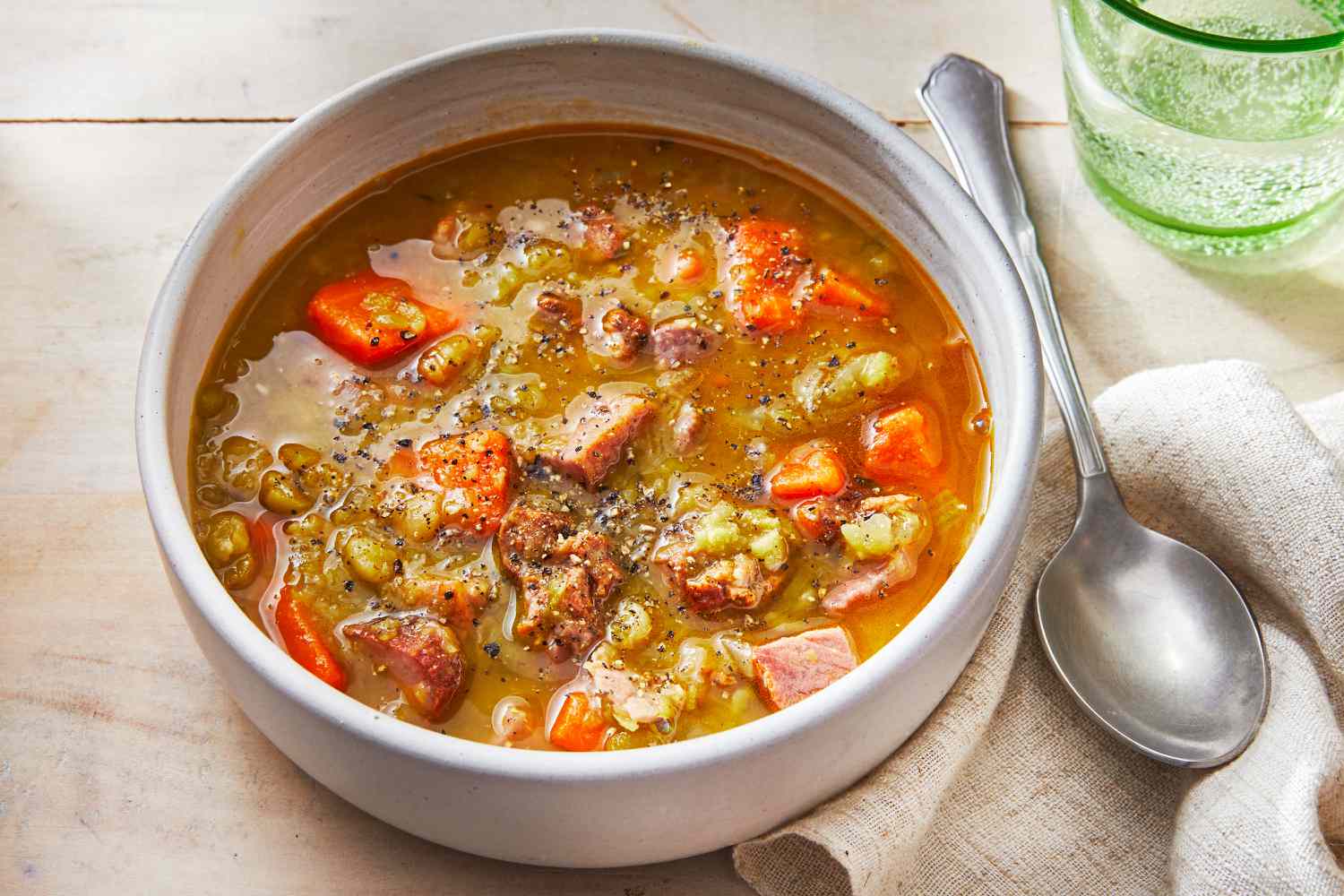
Split Pea Soup: Embracing the Ham Bone Tradition and Exploring Delicious Alternatives
Few dishes evoke the warmth and comfort of home quite like a hearty bowl of
split pea soup. This timeless classic, with its thick, satisfying texture and deep, savory flavors, has been a staple in kitchens for generations. Often associated with the resourceful use of a leftover ham bone after holiday feasts like Easter, Thanksgiving, or Christmas, it embodies both deliciousness and a clever approach to reducing food waste. But what if you don't have a ham bone handy? Fear not, for the magic of
split pea soup extends far beyond this traditional centerpiece, offering a myriad of flavorful options for every palate and pantry.
The Enduring Appeal of Classic Split Pea Soup
There’s a reason why
split pea soup remains a beloved comfort food across cultures. Its appeal lies in a perfect blend of simplicity, nutrition, and incredible depth of flavor. This is a soup that truly nourishes the soul, especially on a chilly evening.
*
Comforting and Cozy: Its rich, thick consistency and warmth make it an ideal dish for cool weather, providing a comforting embrace with every spoonful.
*
Incredible Depth of Flavor: The traditional preparation with a meaty ham bone infuses the soup with an unparalleled smoky, savory essence. However, as we'll explore, numerous alternatives can achieve equally satisfying results.
*
Budget-Friendly and Sustainable: Split peas are an incredibly inexpensive pantry staple. Pairing them with a leftover ham bone not only creates a magnificent meal but also champions a resourceful, waste-reducing approach to cooking. For more on making the most of your ingredients, check out our guide on
Easy & Budget-Friendly Split Pea Soup: Comfort in a Bowl.
*
Nutrient-Packed: Beyond its comforting qualities,
split pea soup is a powerhouse of plant-based protein, fiber, and essential vitamins and minerals, making it a wholesome and filling meal.
Before diving into the meaty (or meat-free!) heart of the soup, it's crucial to understand the main ingredient itself: split peas.
Understanding Your Peas: Split Peas vs. Green Peas
While both come from the same plant, split peas and green peas serve very different culinary purposes.
* **Green Peas:** These are fresh peas, harvested when young and tender, typically enjoyed as a vibrant vegetable, often frozen or eaten fresh in pods.
* **Split Peas:** These are dried peas that have been husked and then split in half. This splitting process reduces cooking time significantly, making them ideal for soups, stews, and purées. Similar to lentils, they readily break down to create a thick, creamy base.
When making
split pea soup, always reach for a bag of dried split peas. You'll primarily find two varieties:
* ***Green Split Peas:*** The most common choice, known for their slightly sweeter flavor and vibrant color.
* ***Yellow Split Peas:*** Offer a more earthy, often milder flavor profile and a lighter hue. Both work beautifully in soup, so your choice can depend on personal preference for taste and appearance.
The Heart of the Flavor: Ham Bone & Its Magic
Traditionally, the secret to an incredibly flavorful
split pea soup lies in the ham bone. As it simmers slowly, the bone releases its rich marrow and residual meat, imparting a smoky, umami-rich depth that permeates the entire soup. This is why it’s a must-make after carving a holiday ham. The gelatin from the bone also contributes to the soup's desirable thick, silky texture. For a classic preparation, our
Classic Split Pea Soup: Your Go-To Recipe with Ham is an excellent resource.
Sourcing a Ham Bone for Your Split Pea Soup
Even if you haven't recently cooked a holiday ham, a ham bone is surprisingly accessible:
*
From Your Butcher: Many local butchers carry ham bones, often for a very reasonable price. When purchasing, ask for a "meaty" ham bone – one that still has a good amount of ham clinging to it, as these scraps will become delightful chunks in your finished soup.
*
Specialty Stores: Some grocery stores, particularly around holidays, or even specific ham retailers (like Honey Baked Ham stores), may sell ham bones directly.
*
Saving Your Own: If you do cook a whole ham, make sure to carve off most of the meat but reserve the bone (and any small bits of meat still attached) specifically for your soup. Wrap it tightly and freeze it if you're not making soup right away.
Savory Alternatives to the Ham Bone
While the ham bone reigns supreme for traditional flavor, its absence should never deter you from making
split pea soup. Many fantastic alternatives can deliver a delicious, satisfying bowl.
Ham Hock (Pork Knuckle)
A ham hock, also known as a pork knuckle, is an excellent substitute for a full ham bone. These cured, often smoked, pork joints are packed with flavor, gelatin, and a small amount of meat.
* **Pros:** Imparts a robust, smoky pork flavor and contributes to a rich, thick texture. Widely available and inexpensive.
* **Cons:** Less meat than a leftover ham bone, so you might not get as many chunky pieces of ham in the final soup.
* **Tip:** To add chunky ham, you can combine a ham hock for flavor with diced ham steaks or pre-cooked ham added towards the end of cooking.
Ham Steaks or Diced Ham
If convenience is key or you prefer not to deal with bones, packaged ham steaks or pre-diced ham are a straightforward option.
* **Pros:** Super easy to use, no bone to discard, and guarantees plenty of chunky ham in your soup.
* **Cons:** While still delicious, this method won't yield the same deep, slow-cooked bone-in flavor. The soup might taste less complex.
* **Tip:** Add diced ham towards the end of the cooking process to prevent it from becoming too tough or stringy. Sautéing it lightly before adding can also enhance its flavor.
Smoked Turkey or Bacon
For a slightly different, yet equally delicious, smoky flavor profile, consider:
*
Smoked Turkey Leg/Wing: Similar to a ham hock, a smoked turkey leg or wing can simmer in the soup to impart a wonderful depth. Shred the meat off the bone and add it back in.
*
Bacon: Sautéing diced bacon until crispy, then using the rendered fat to cook your mirepoix, provides a fantastic flavor base. Crumble the cooked bacon and stir it in at the end for texture and an extra burst of smoky goodness.
Vegetarian and Vegan Options
Yes, you can absolutely make a delicious, satisfying
split pea soup without any meat! The key is to build flavor through other aromatic ingredients.
*
Smoked Paprika & Liquid Smoke: These are your best friends for replicating that smoky ham essence. Add them generously.
*
Mushrooms: Sautéed cremini or shiitake mushrooms can add a wonderful umami depth.
*
Sun-Dried Tomatoes: Offer a concentrated, savory tang.
*
Vegetable Broth: Use a high-quality, flavorful vegetable broth as your base.
*
Hearty Vegetables: Don't shy away from extra carrots, celery, leeks, or even parsnips to build body and flavor.
*
Seasonings: Focus on herbs like bay leaf, thyme, and sage, along with garlic and onion. A touch of nutritional yeast can also enhance the "cheesy," savory notes.
Crafting Your Perfect Bowl: Essential Ingredients & Tips
Beyond the peas and your chosen protein, a few simple ingredients and techniques ensure a consistently delicious
split pea soup.
*
The Mirepoix: A classic French aromatic base of diced onions, carrots, and celery is non-negotiable. Sautéing these until softened and slightly caramelized builds a foundational layer of flavor. Ensure you dice all veggies to roughly the same size for even cooking.
*
Herbs and Aromatics: Dried thyme and a bay leaf are traditional and highly recommended. Garlic, of course, adds another layer of warmth. Salt and freshly ground black pepper are crucial for seasoning throughout the cooking process.
*
Soup Base: A combination of chicken broth (or vegetable broth for meat-free versions) and water offers a balanced liquid base. You can adjust the ratio based on how rich you want the soup to be.
*
Cooking Time: Split peas usually don't require pre-soaking, but they do need a good 45-60 minutes (or longer) of gentle simmering to break down and create that characteristic thick consistency. Stir occasionally to prevent sticking, especially towards the end.
*
Adjusting Consistency: If your soup is too thick, add more broth or water until it reaches your desired consistency. If it's too thin, continue to simmer uncovered, or use an immersion blender to purée a portion of the soup to thicken it further.
*
Final Seasoning: Always taste and adjust salt and pepper before serving. A splash of apple cider vinegar at the end can brighten the flavors, especially if you're using a ham bone or hock.
*
Garnishes: Crispy croutons, a dollop of sour cream, fresh parsley, or a sprinkle of paprika can elevate your soup from delicious to extraordinary.
Whether you lean into the time-honored tradition of a meaty ham bone or get creative with modern alternatives,
split pea soup promises a profoundly comforting and satisfying meal. It's a testament to simple ingredients coming together to create something truly special – a warm hug in a bowl that nourishes both body and spirit. So, grab your pot, pick your protein, and get ready to enjoy this timeless classic.